A well-pro wok seems like a call for participation. Its patina hints at ingredients past and nutrition to come, promising smoky stir-fries, tender omelets, probably even most excellent popcorn on a hungry night. But walk into any kitchen keep or browse online, and also you’ll face a possibility that stumps even seasoned abode cooks: forged iron or carbon metallic? Both materials have devotees, each claim custom and application. Yet they cook otherwise, age otherwise, and call for their personal roughly care.
Let’s get to the bottom of the strengths and quirks of every so that you can decide which pan will earn pride of location in your stovetop.
The Heart of the Matter: What Sets These Materials Apart
Cast iron and carbon steel sound related on paper: equally are iron-based mostly alloys, either call for seasoning, and each were utilized in Chinese kitchens for hundreds of years. But the info rely. Cast iron contains more carbon - pretty much 2-four% - making it more durable yet also more brittle. Carbon metallic is ready ninety nine% iron with less than 1% carbon, which supplies it flexibility and a lighter build.
The distinction in structure adjustments all the things approximately how a wok behaves over warmness. Cast iron woks grasp onto warm like a bank vault; carbon metallic woks warm up easily and funky down just as swift. That single certainty shapes well-nigh each facet of cooking approach and preservation.
Heat Retention vs Responsiveness: The Crucial Trade-Off
Picture creating a short beef stir-fry. You wish screaming warm oil to sear thinly sliced meat in seconds, then cool matters down straight away whenever you toss in aromatics or sauce. Here’s the place the 2 supplies diverge.
A solid iron wok excels at constant warmth retention. Once hot, it remains sizzling even in the event you upload cold foods. This is splendid for deep-frying or braising larger cuts: temperature dips are minimal, so oil remains bubbling and sauce simmers incessantly. However, in the event that your recipe calls for quick transformations in temperature or shifting food among top sear and delicate sauté, forged iron can experience slow. It takes time to warm up - in the main numerous minutes longer than thin pans - and cools slowly after the burner’s off.
Carbon steel woks behave extra like nimble athletes. They warmth up swift, respond directly whenever you carry or decrease the flame, and cool down just as at once. This agility is why so much skilled Chinese kitchens use carbon metal. In a hectic eating place wherein dishes fly out in minutes, chefs want immediate handle to gain wok hei - that elusive smoky sear that defines considerable stir-fry.
Weight and Ergonomics: Lifting Matters More Than You Think
The first time I picked up a cast iron wok - a spherical-bottomed 14-inch brand from northern China - it felt like hefting a bowling ball with handles. Empty, it weighed pretty much 10 pounds. After about a hours of cooking, my wrists begged for mercy.
Most house chefs underestimate how much tossing, shaking, and tilting goes into appropriate wok cooking. A heavy pan makes these movements confusing or unimaginable for many folks. Stir-frying with a solid iron wok in the main skill because of a spatula to push meals around in place of flipping foods with a wrist snap.
Carbon steel woks shine the following. Even a huge 14-inch wok hardly weighs extra than 3 pounds. With train, you are able to toss noodles one-passed or tip out fried rice with a flick of the wrist. If you propose to cook for crowds or try restaurant options like “volcano” fried rice (the place flames leap as rice hits the pan), carbon metal’s lightness isn’t simply effortless - it’s elementary.
Seasoning: Building Nonstick the Old-Fashioned Way
Both cast iron and carbon metallic woks want a protecting layer generally known as seasoning - polymerized oil baked onto the floor to create nonstick houses and stay away from rust. This technique is an element ritual, element chemistry.
Cast iron develops seasoning instantly given that its rougher floor presents oil more to cling to. After a number of makes use of (exceptionally with prime-warmness searing), you’ll understand nutrients sticking much less and colour deepening to a bronze-black patina. Cast iron’s porosity additionally skill it absorbs flavors over the years - equally a blessing (for fried rice) and occasional curse (in the event you accidentally burn garlic).
Carbon metal begins smoother yet calls for more awareness early on. The first few uses is usually sticky affairs as the initial layer builds up erratically. It facilitates to fry up batches of scallions or ginger slices to accelerate polymerization previously tackling comfortable foods like eggs or tofu. Once seasoned, however, carbon steel behaves practically identically to forged iron - slick surface, basic unencumber - yet with slightly less style absorption.
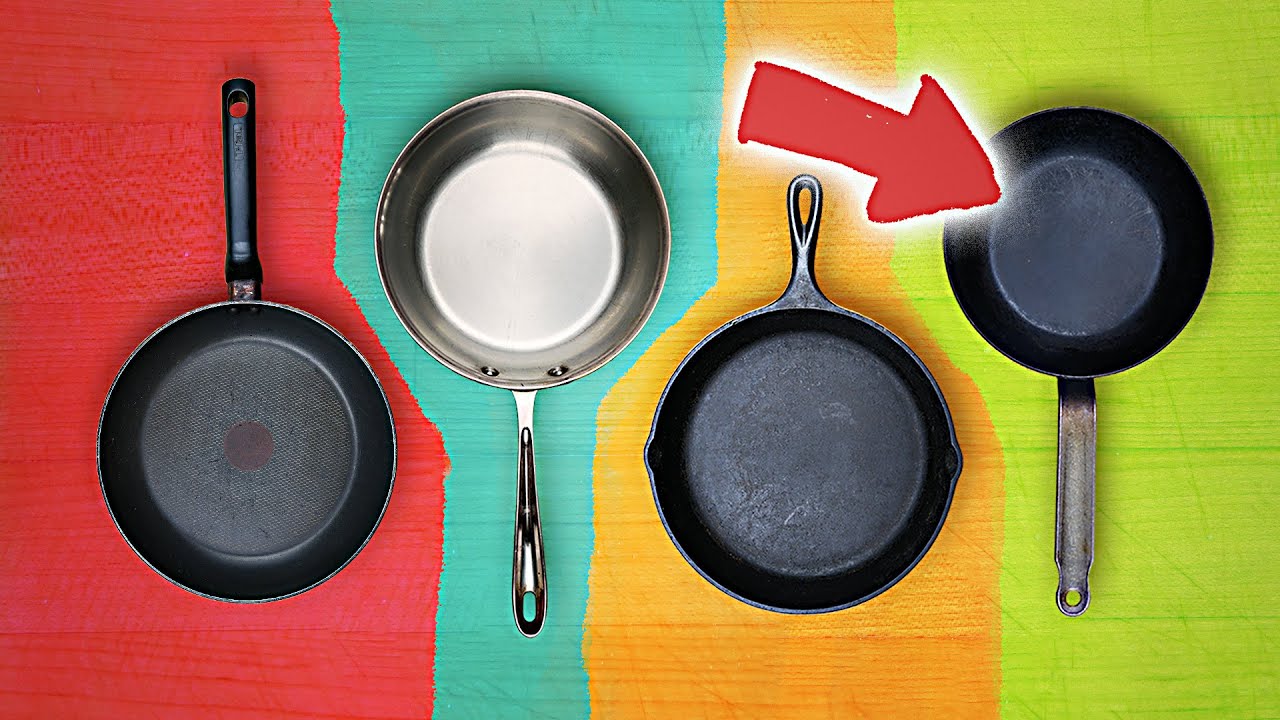
One tip discovered via trial: stay away from cleaning soap on either pan when cleansing. Hot water and a bamboo brush do the trick so much days. For cussed crusts, pour in a few water at the same time the wok’s nevertheless warm to steam off residue.
Durability Over Decades
If you prefer a pan to hand all the way down to your grandkids (or simply miss at the porch for decades), cast iron wins for brute longevity. I’ve visible century-historic Chinese solid iron woks nevertheless in use in rural kitchens - scarred from picket fires but completely sensible. Cast iron resists warping even underneath abuse; drop it on tile, and you can chip the flooring beforehand hurting the pan.
Carbon steel is tricky yet thinner by using necessity. It can warp if heated unevenly (case in point, blasting the ground over intense gasoline flames while the sides reside cool). On infrequent events - say, dropping a heavy wok off a countertop part - it will dent or deform completely. Still, maximum quality carbon steel woks final a long time with ordinary use.
Both material rust if omitted. The accurate news: superficial rust basically scrubs off with metallic wool accompanied with the aid of a instant re-seasoning.
Cooking Techniques: Where Each Wok Shines
Different recipes deliver out the most beneficial in both cloth.
For top-temperature stir-frying - believe red meat chow exciting or kung pao poultry - carbon steel’s responsiveness suggestions. You can toss in aromatics simply as the oil shimmers, blast them with heat for seconds, then push them apart although meat receives its flip inside the core. When you upload sauce, the pan cools quite to avert burning sugars formerly reducing instantly returned.
Cast iron woks excel in slow-cooked dishes or whatever tough stable simmering. Braised beef belly (hong shao rou) benefits from solid iron’s even warm distribution; the sauce thickens gently, meat remains juicy, and there’s little chance of scorching as long as you stir periodically.
Deep-frying shines in either pan given that the two retain warmness nicely once preheated. Cast iron has a moderate part for gigantic batches for the reason that its mass keeps oil temperature reliable whilst bloodless presents move in.
Steaming? Both paintings whenever you use a bamboo rack above simmering water. Just take into account that that solid iron takes longer to reach a boil.
For eggs or pancakes (every now and then made in flat-bottomed woks), cast iron’s seasoning tends to be greater forgiving early on. Thin eggs slide out greater surely once the pan’s well broken in.
Stove Compatibility: Gas vs Induction vs Electric
Traditional circular-bottom woks were designed for open flames. Most Western houses use flat stovetops - electric coils or induction surfaces - which complicates things.
Carbon steel woks come in flat-bottomed editions acceptable for ultra-modern stoves. They still advance that conventional “scorching spot” within the midsection yet sit down securely devoid of wobble.
Cast iron woks might be trickier when you consider that their weight also can destroy glass tops if dropped or slid forcefully. Some flat-bottomed solid iron models exist (Lodge makes a time-honored one), but they take longer to warm compared to thinner pans.
Induction cooking works greatest with flat-bottomed woks of either material when you consider that induction relies on contact section. If you’re committed to wok hei taste because of induction, search for carbon steel items designed chiefly for these stoves.
On outside gasoline burners - relatively the ones efficient “wok burners” appreciated via a few fanatics - both pan works beautifully. The genuine question becomes how plenty arm capability you prefer to make investments for the duration of prolonged cooking classes.
Maintenance Realities: Keeping Your Wok Ready
No depend which fabric you favor, neglect invitations rust and sticky messes. Yet preservation exercises do range rather.
Cast iron tolerates rougher scrubbing if needed; its thick walls shrug off twine brushes or chainmail pads whilst cleansing burnt-on bits. After washing, dry properly over warmness ahead of using a thin sheen of oil to stay away from rust.
Carbon steel is more delicate to abrasive cleaning early on (previously its seasoning matures). Use cushy brushes or non-steel scrubbers to dodge scraping off new layers. Like solid iron, dry absolutely after washing and rub with oil sooner than garage.
One phrase of caution: keep away from storing acidic meals (tomato sauces, citrus-heavy marinades) in either wok overnight. Acids wreck down seasoning layers instantly and might impart off flavors next time you cook dinner.
If catastrophe moves - possibly someone forgets to dry the pan after washing - don’t panic. Surface rust cleans up with elbow grease accompanied by means of a speedy re-seasoning consultation over prime warmness.
Price Points: What Should You Pay?
A smart wok doesn’t want to money a fortune. In so much markets, a typical carbon metallic wok runs anyplace from $20 to $50 USD depending on measurement and thickness. Restaurant supply retail outlets broadly speaking promote them inexpensively due to the fact professionals update them gradually after years of laborious service.
Cast iron woks stove from $30 for fundamental units to $a hundred-plus for artisanal imported manufacturers with hand-hammered finishes or certain shapes. Expect to pay greater for thicker walls or strong point points like cast handles.
Pre-seasoned pans settlement a little bit greater however store time throughout initial setup. Some chefs select “raw” unseasoned fashions so that you can build seasoning from scratch making use of classic tools (frying aromatics over top heat for hours).
The Learning Curve: Which Is Friendlier for Beginners?
There’s no disgrace in desiring uncomplicated wins early on. For novices to wok cooking, carbon steel’s lightness could make approach suppose much less intimidating. Flipping vegetables or noodles turns into practically instinctive after just a few tries.
Cast iron rewards persistence yet demands variation; its heft slows down tossing motions but affords forgiveness with regards to burning comfortable ingredients owing to its stable warmness.
If your intention is classic Cantonese stir-fry with highest regulate over timing and texture, beginning with carbon metallic. If you want sluggish-cooked dishes or wish to exploit your wok for the whole thing from popcorn to pancakes devoid of fussing over instant temperature swings, cast iron has charm.
Real-World Edge Cases
Some kitchens current exotic demanding situations that exchange the equation.
If you could have arthritis or constrained hand force, lifting a forged iron wok complete of delicacies might be out of succeed in devoid of counsel. In those circumstances, carbon metallic is an apparent pick.
Apartment dwellers with delicate smoke alarms may well combat reaching good wok hei indoors despite material; amazing out of doors burners paired with both pan provide more desirable results while searing at excessive temperatures.
And in case you dream of the usage of your wok over campfires or charcoal pits all the way through outside gatherings? Cast iron shrugs off direct flames devoid of warping although skinny carbon steel requires cautious leadership to avert hotspots that deform its shape.
Side-By-Side Comparison Table
Here’s a quickly overview to distill key adjustments between solid iron and carbon metal woks:
| Feature | Cast Iron Wok | Carbon Steel Wok | |----------------------|------------------------|--------------------------| | Weight | Heavy (eight-12 lbs typical)| Light (2-4 lbs normal) | | Heat retention | Excellent | Good | | Responsiveness | Slow | Fast | | Seasoning velocity | Quick | Slower originally | | Rust resistance | Similar (desires care) | Similar (desires care) | | Durability | Extremely lengthy-lasting | Long-lasting | | Price latitude | $30 - $a hundred+ | $20 - $50 | | Stove compatibility | Best on fuel | Gas/induction/electric powered | | Tossing/dealing with | Difficult | Easy |
Choosing Your Wok: A Simple Framework
With some of these nuances swirling around, how may want to you desire? Here’s a quickly guidelines to concentrate your resolution-making:
Consider your stove class: If you have fuel or outdoors burners, either works properly; for induction/electric flat tops, seek for flat-bottomed carbon metal. Think about how lots tossing vs stirring you’ll do: Frequent tossers gain from carbon metallic’s lightness. Reflect on what recipes excite you most: If your dream dish is smoky stir-fried greens at lightning pace, carbon metal matches prime; if it’s lengthy-simmered stews or deep-fried delights for a crowd, solid iron is not easy to beat. Be honest about preservation: If you prefer low-fuss seasoning that builds rapidly no matter what you cook dinner, forged iron gives slight forgiveness. Factor in storage house: Cast iron takes up greater true estate attributable to its bulk and weight.Personal Experience: Why My Kitchen Has Both
After years operating in restaurant kitchens around Shanghai and Los Angeles - and instructing house cooks the following in Seattle - I’ve gone by means of over a dozen woks of every measurement and cloth.
For lightning-speedy weekday dinners (shrimp with snow peas tossed in under three minutes), I succeed in for my battered 14-inch carbon metal workhorse at any time when. It heats rapid on my gasoline range and flips fried rice effects.

For weekend initiatives like crimson-braised red meat belly or fried entire fish in which stable warmness things extra than maneuverability, my antique cast iron wok has no identical. Its thick partitions hold bubbling oil at very best temperature even if I add pounds of cold elements without warning.
Truthfully? If you cook Asian cuisine oftentimes and feature room for two pans - get equally if your finances enables. Each brings something enjoyable on your table.
But if space is tight or you would like just one official family member beside your range? Let your recipes support you. Pick the wok that fits how you adore to cook dinner immediately - realizing it may develop along your talent for many years ahead.
Final Thoughts
No piece of cookware sparks debate fairly like the humble wok. Both solid iron and carbon steel deserve their situation in culinary heritage - no longer only for nostalgia’s sake however in view that they honestly shape what finally ends up to your plate.
Whether hot warm for five-minute stir-fries or simmering quietly simply by lengthy afternoons, your decision will become component of your kitchen rhythm through the years. There’s no wrong resolution - in basic terms what works top-rated for your palms, your stove, your urge for food for experience.
So take time to handle each if you can https://jsbin.com/dolomekoki formerly acquiring. Notice what feels natural and organic for your grip; imagine tossing greens on a hectic weeknight or coaxing flavors out over hours on a lazy Sunday. Whichever approach you lean within the Cast Iron Wok vs Carbon Steel debate, embody it absolutely - seasoning stains and all - and allow your prominent dishes inform their tales one meal at a time.